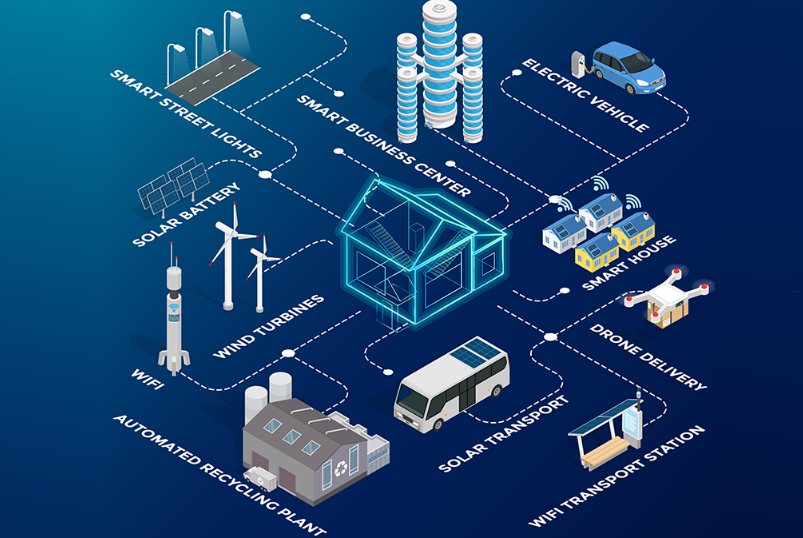
Smart city technology embodies the fusion of digital and physical infrastructures designed to elevate urban living. It utilizes data analytics and interconnected systems to address various urban challenges. By optimizing resource management and enhancing transportation networks, these technologies promise significant improvements in sustainability and quality of life. However, the implementation of smart city solutions is not without its hurdles, raising questions about their long-term viability and adaptability in the face of rapid urbanization.
Defining Smart City Technology
Smart City Technology encompasses a range of interconnected systems and solutions designed to enhance urban living through the integration of digital and physical infrastructures.
This framework fosters urban innovation by optimizing resource management and improving quality of life.
Through advanced digital infrastructure, cities can leverage data analytics and connectivity, empowering citizens and promoting efficiency, sustainability, and freedom in their daily interactions within urban environments.
See also: coffrefortturf
Key Components of Smart Cities
Modern urban environments increasingly rely on a combination of technological solutions and infrastructural enhancements to create efficient and livable spaces.
Key components of smart cities include integrated urban mobility systems and comprehensive sustainability initiatives.
These elements facilitate real-time data sharing, optimize transportation networks, and promote eco-friendly practices, ultimately fostering a harmonious balance between innovation and environmental stewardship in urban planning and development.
Benefits of Implementing Smart City Solutions
As urban centers integrate advanced technological solutions, numerous benefits emerge from the implementation of smart city initiatives.
Enhanced urban mobility, driven by data analytics and real-time information, optimizes transportation systems, reduces congestion, and promotes efficient resource use.
Furthermore, these initiatives support sustainable development by fostering eco-friendly practices and improving the quality of life for residents, ultimately empowering communities toward a more resilient future.
Challenges and Future of Smart City Technology
While urban centers increasingly adopt innovative technologies to enhance functionality and livability, several challenges persist that hinder the full realization of smart city initiatives.
Data privacy concerns pose significant obstacles, as citizens demand transparency and security.
Additionally, substantial infrastructure investment is required to support these advancements, often straining budgets and resources.
Addressing these issues is crucial for the sustainable future of smart city technology.
Conclusion
In conclusion, smart city technology represents a transformative approach to urban living, harnessing data and connectivity to address contemporary challenges. As cities continue to evolve, the integration of these innovative solutions is crucial for fostering resilience and sustainability. While hurdles remain, the potential benefits are undeniable, paving the way for a brighter future. As the saying goes, “the sky’s the limit,” emphasizing the vast opportunities that lie ahead for urban planners and residents alike in this digital era.